Planifica tu viaje
Blog
Rainbow Trout vs. Brown Trout: Fly Fishing in Patagonia

Rainbow Trout vs. Brown Trout: Fly Fishing in Patagonia
When people imagine fly fishing in Patagonia, two trout species are likely to be at the center of the experience: rainbow trout and brown trout.
Both can be found throughout many of the rivers and lakes of Chilean Patagonia, including waters in the Aysén Region. But while they may share the same environment, catching them can feel surprisingly different.
Their appearance, behavior, feeding habits, and fighting style give each species its own personality.
So, rainbow trout vs. brown trout: what is the difference, and what can anglers expect when fishing for them in Patagonia?
Rainbow Trout: The Acrobatic Fighter
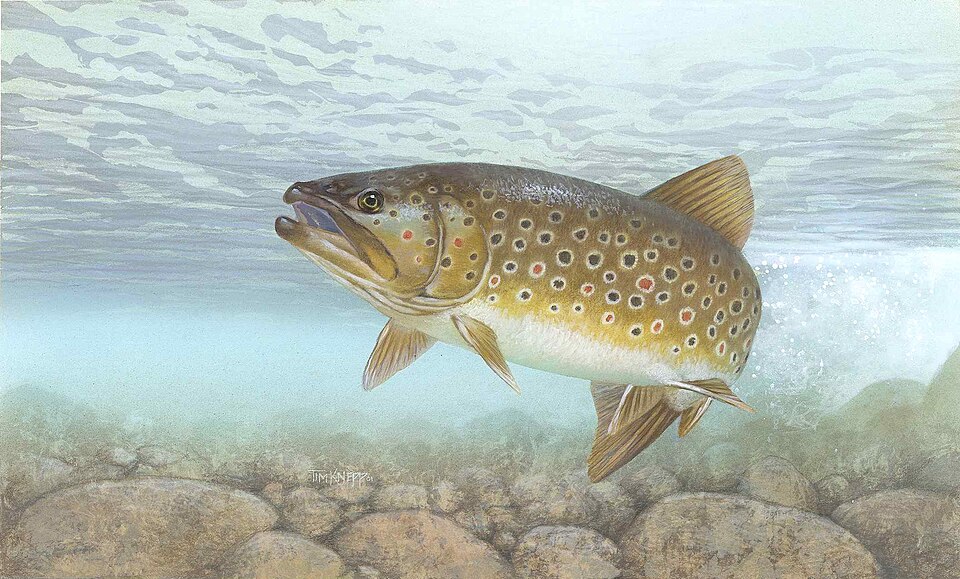
Rainbow trout (Oncorhynchus mykiss) are among the most recognizable freshwater game fish in the world.
Their appearance can vary depending on their environment, but they are generally characterized by a pink or reddish stripe running along the sides of the body, accompanied by numerous dark spots.
But for fly anglers, appearance is only part of their appeal.
How do rainbow trout fight?
Rainbow trout have a reputation for being energetic and acrobatic fighters.
Once hooked, they may make fast runs, change direction suddenly, and sometimes leap completely out of the water.
That unpredictability is part of what makes catching a rainbow trout so exciting.
In the cold, oxygen-rich waters found throughout Patagonia, a strong rainbow can turn even a seemingly straightforward hookup into a memorable fight.
Brown Trout: The Strategic Predator
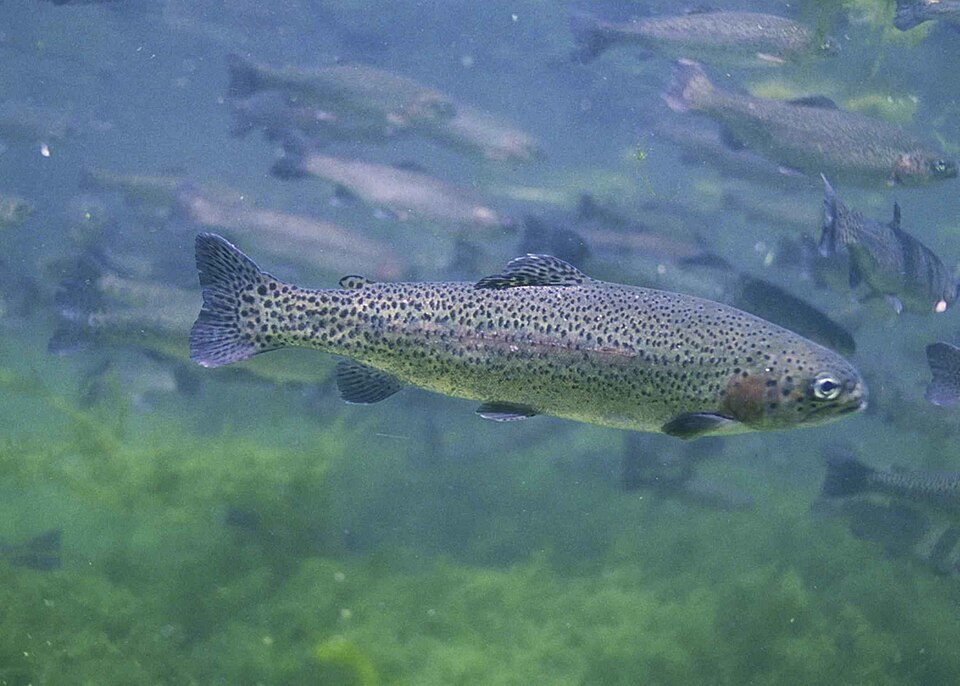
Brown trout (Salmo trutta) offer a very different experience.
Typically displaying golden or brown coloration with dark and often reddish spots, brown trout can blend remarkably well into the river environment.
They are also known for being cautious.
Larger brown trout may hold near structure, deeper pools, undercut banks, submerged logs, or other areas where they can remain protected while waiting for an opportunity to feed.
Why can brown trout be challenging to catch?
Brown trout can become particularly selective and wary.
Presentation, approach, water conditions, insect activity, and time of day can all influence whether a fish decides to take a fly.
And when a large brown finally commits, the fight can be very different from the aerial performance associated with rainbows.
Instead of immediately jumping, a brown may use current, depth, structure, and powerful runs to its advantage.
For many anglers, successfully finding and landing a large brown trout is one of the great rewards of fly fishing.
Rainbow Trout vs. Brown Trout: What's the Difference?
Although individual fish always behave differently, there are some general characteristics anglers often associate with the two species.
Rainbow trout are commonly known for:
- Fast, energetic runs
- Sudden changes of direction
- Acrobatic jumps
- Aggressive fights
Brown trout are commonly associated with:
- More cautious behavior
- Holding close to structure
- Selective feeding
- Powerful, strategic fights
- The possibility of reaching impressive sizes in suitable environments
Neither is necessarily “better” to catch.
They’re simply different.
And having the opportunity to encounter both is part of what makes trout fishing in Patagonia so interesting.
Trout Fishing in Aysén
The Aysén Region of Chilean Patagonia contains an enormous network of rivers, tributaries, lakes, and smaller streams.
Rainbow and brown trout are established throughout many of these waters, creating opportunities for anglers to experience both species during a fishing trip.
Rivers such as the Simpson, Mañihuales, Baker, and numerous smaller waterways form part of this diverse fishing landscape.
And then there is a river particularly important to us: the Emperador Guillermo.
Wildfly Patagonia is being developed along its banks, connecting our project directly to the river systems and landscapes that make this region so extraordinary.
Different Fish, Different Strategies
One of the great things about fly fishing is that there is rarely a single answer to the question:
What fly should I use?
Conditions matter.
Water temperature, river level, weather, insect activity, season, and even the particular section of river can influence how trout behave.
Dry flies can create unforgettable surface takes when conditions are right.
Nymphs allow anglers to explore different levels of the water column.
Streamers can imitate larger prey and sometimes trigger aggressive responses from predatory trout.
Understanding the river — rather than simply choosing a species — is part of the experience.
Which Would You Rather Catch?
So, rainbow trout or brown trout?
Would you choose the explosive runs and aerial fight of a rainbow?
Or the patience, strategy, and powerful fight associated with a big brown?
Fortunately, when fly fishing in Patagonia, you don’t necessarily have to choose.
Both are part of what makes the rivers of southern Chile so exciting to explore.
And at Wildfly Patagonia, we believe the fish is only one part of the experience.
The river, the mountains, the wilderness, and the adventure surrounding every day on the water are what make Patagonia unforgettable.
Come for the fishing. Stay for Patagonia.