Planifica tu viaje
Blog
Catch and Release in Patagonia: Why It Matters

Catch and Release in Patagonia: Why It Matters
For many anglers, one of the most memorable moments of a fly fishing trip is finally bringing a trout to the net. But in Patagonia, the experience doesn’t have to end with the catch.
How we handle and release a fish matters.
At Wildfly Patagonia, Catch & Release will be part of how we fish. It reflects something we believe strongly: enjoying Patagonia also means taking responsibility for protecting the rivers and the fish that make these experiences possible.
Why Catch & Release Matters
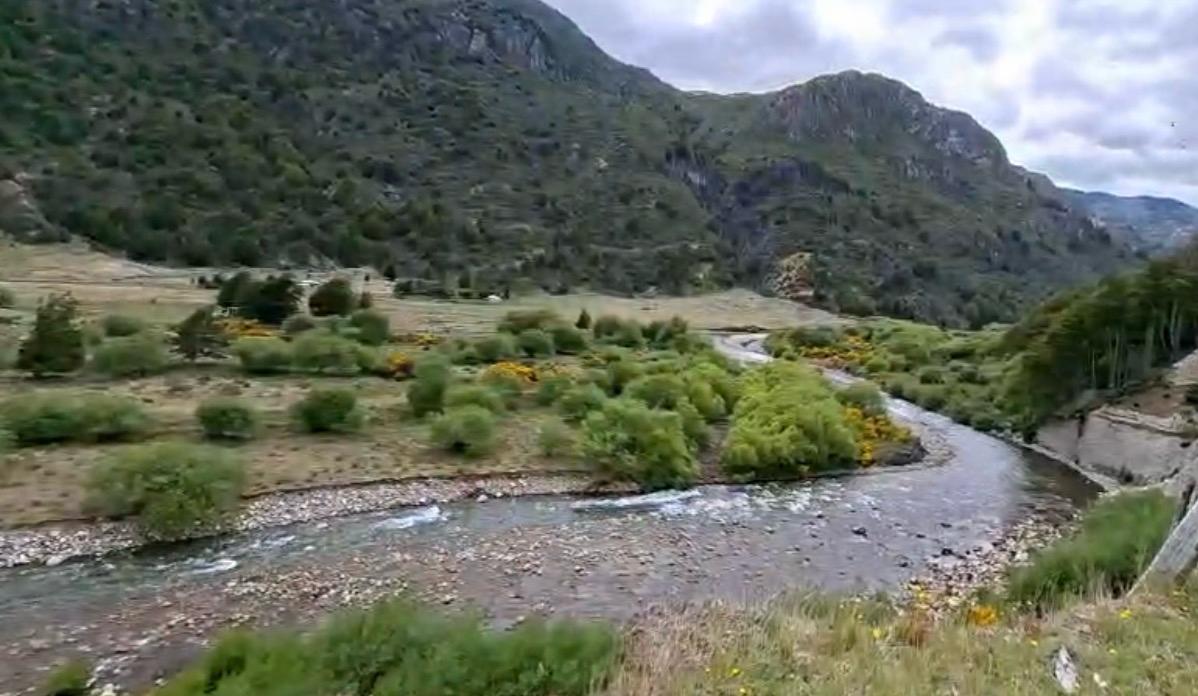
Patagonia is known around the world for its rivers, wild landscapes, and exceptional fly fishing. Protecting those waters means thinking beyond a single day on the river.
Catch & Release allows anglers to enjoy the challenge and excitement of catching a trout while giving that fish the opportunity to return to the river.
But simply releasing a fish is not enough. How the fish is handled before it returns to the water can make a significant difference.
Minimizing stress, limiting handling, and using proper release techniques are all important parts of responsible fly fishing.
More Than a Wildfly Policy
Catch & Release is not only part of Wildfly Patagonia’s approach to conservation.
Fishing regulations in the Aysén Region also establish periods when Catch & Release is mandatory for salmonids, along with specific rules that can vary depending on the season, species, and body of water. Anglers should always follow the regulations in effect at the time of their trip.
At Wildfly Patagonia, however, our commitment goes beyond the periods when release is legally required.
Catch & Release will be our standard practice during our guided fly fishing experiences, helping us protect the waters we depend on and the experience we hope to share for years to come.
How We Practice Catch & Release at Wildfly Patagonia
A successful release begins before the fish ever reaches the net.
Our approach will follow responsible fish-handling practices designed to minimize unnecessary stress. This includes:
- Using appropriate fishing equipment and techniques to avoid unnecessarily prolonged fights.
- Keeping the fish in the water as much as possible.
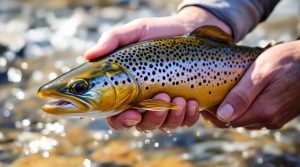
- Wetting hands before handling a fish to help protect its natural protective layer.
- Avoiding contact with the eyes and gills.
- Removing the hook carefully and efficiently.
- Keeping photographs brief and minimizing the amount of time the fish spends out of the water.
- Allowing the fish to recover in the water before releasing it when necessary.
These practices are consistent with recommendations from Chile’s National Fisheries and Aquaculture Service, SERNAPESCA, for responsible recreational fishing and fish release.
The goal is simple: enjoy the moment while giving the fish the best possible chance to return safely to the river.
Your Guide Will Be There to Help
You don’t need to be an expert in Catch & Release before arriving at Wildfly Patagonia.
Our guides will be there throughout the experience to help guests properly land, handle, photograph, and release their catch. They will also explain the techniques being used and help make the process simple and respectful.
For someone catching their first trout on a fly rod, learning how to release that fish properly can become part of the experience itself.
And for experienced anglers, it is another way to help protect the rivers they traveled so far to enjoy.
Protecting the Experience for the Future
For us, responsible fly fishing is about more than following regulations.
The rivers of Aysén are at the heart of Wildfly Patagonia. They are part of the landscape we fell in love with and part of the experience we want future guests to discover.
Protecting them means recognizing that every day on the water leaves an impact — and choosing to make that impact as small as possible.
Because a great day of fly fishing doesn’t have to end with taking something from the river.
Sometimes, one of the best parts is watching the fish swim away.
Catch the moment. Release the fish. Protect the river.